
Smart Learning Unleashed: How Moodle AI Revolutionises Personalized Education?
Artificial Intelligence (AI) is transforming the way we live, work, and learn and education is at the heart of this revolution. When AI meets Moodle, one of the world’s leading open-source Learning Management Systems (LMS), it unlocks smarter, more personalised, and adaptive learning experiences for every student.
Today, educational institutions and corporate trainers are embracing AI-powered adaptive learning to make education more inclusive and effective. With over 300 million Moodle users worldwide, the platform has already proven its power to deliver flexible and scalable learning. Now, with Moodle AI, the focus shifts from traditional, one-size-fits-all teaching to truly personalized education, where every learner’s pace, goals, and interests shape their own journey.

As we step into 2026, India’s digital learning market continues to grow rapidly, projected to cross USD 10 billion. This growth is being fuelled by technologies like AI-driven content delivery, automated grading, and virtual teaching assistants, all of which are reshaping the online education experience.
The rise of adaptive learning in Moodle marks a new chapter for educators and learners alike. It helps institutions use data, automation, and intelligent insights to make learning more engaging, interactive, and outcome-driven. Whether it’s tracking student performance, offering customized lessons, or simplifying administrative work, Moodle AI is paving the way for a future where education becomes smarter, faster, and more human.
In this blog, we’ll explore how Moodle AI is redefining personalised education, the latest features transforming LMS experiences, and why Indian educators and organizations should be ready to embrace this next wave of smart learning.
Moodle AI: Powering the Next Wave of Smart Learning
Moodle has become a trusted name in Indian education, from universities and colleges to government bodies and enterprises. With the National Education Policy (NEP) 2020 promoting digital learning, institutions are rapidly moving towards Learning Management Systems (LMS) to support online, blended, and lifelong learning.
Here’s why Moodle remains India’s go-to platform for digital education:
Affordable and Accessible
As an open-source LMS, Moodle eliminates high licensing fees, making it ideal for schools and universities with limited budgets.
Highly Customizable
Indian organizations can easily adapt Moodle to match their learning goals, branding, and cultural context.
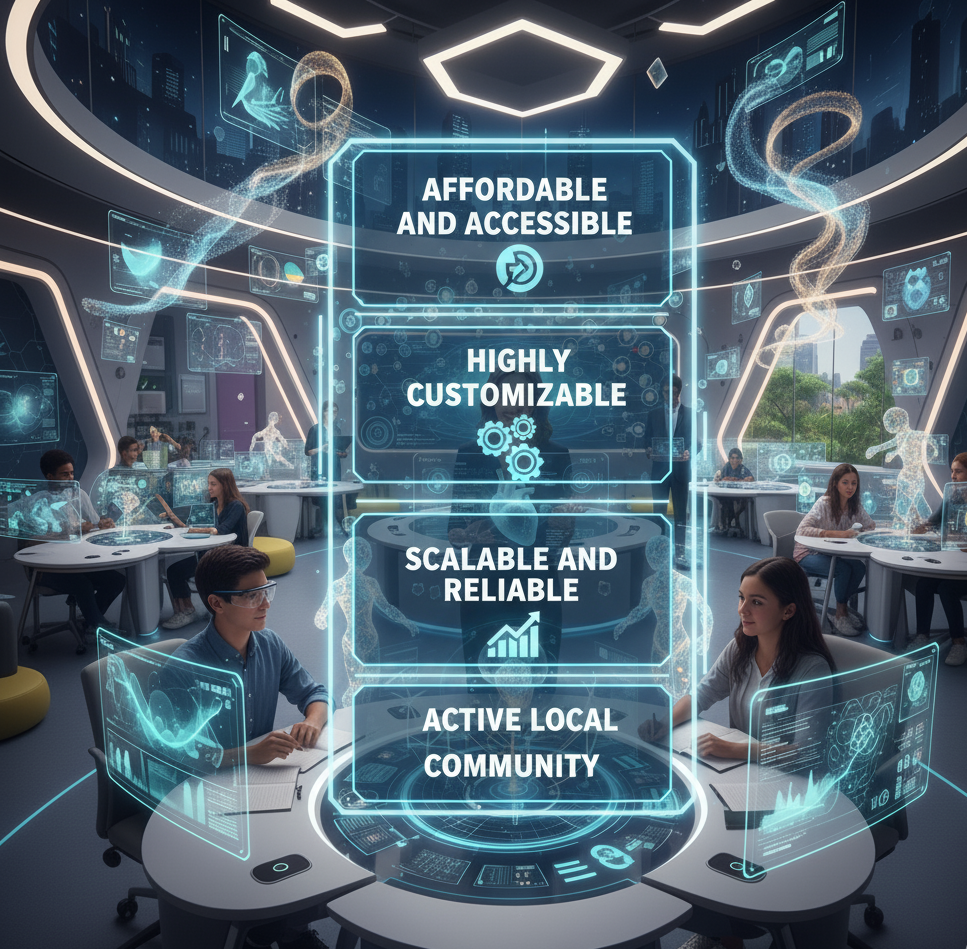
Scalable and Reliable
Whether it’s a small college or a nationwide training programme, Moodle handles thousands of learners smoothly.
Active Local Community
Indian developers and educators play a key role in building plugins, sharing resources, and enhancing Moodle’s ecosystem.
With such a solid base, India is now ready for the next phase — AI-powered adaptive learning that personalises education for every learner.
Top Moodle AI Trends Redefining Learning in 2026
The education landscape in India is evolving fast, and Moodle AI is at the centre of this transformation. With AI-powered adaptive learning and intelligent automation, Moodle is no longer just an LMS, it’s a personalized learning hub.
Indian universities, schools, and corporate training teams are leveraging AI to create smarter, more engaging experiences. From personalized learning paths and AI-driven content delivery to virtual teaching assistants and mobile-first solutions, these trends are shaping how learners interact with education.
This section explores the key Moodle AI trends that are set to redefine online learning in India, helping educators deliver tailored, effective, and data-driven learning experiences.
1. AI-Powered Personalization Takes Centre Stage
In 2026, Moodle AI is transforming how learners engage with content. Intelligent algorithms study student performance, identify weak areas, and recommend tailored resources, from quizzes and videos to extra reading material.
Example: If a learner struggles with data analysis, Moodle AI suggests bite-sized lessons, relevant case studies, and real-time feedback to improve understanding.
Why it matters: Personalised education makes learning more engaging, helping every student progress at their own pace.
2. Seamless Integration with Virtual Classrooms
As remote and hybrid learning continue to thrive, Moodle’s integration with tools like BigBlueButton and Zoom is evolving fast. AI now supports real-time transcripts, auto-translation, and video analytics that track engagement during live sessions.
Why it matters: Virtual collaboration becomes as interactive and inclusive as a physical classroom, especially important in a diverse, multilingual country like India.
3. Moodle’s Growing Role in Corporate Learning
Corporate India is turning to Moodle-based learning platforms to upskill teams and boost productivity. From microlearning modules to AI-powered performance tracking, Moodle is redefining how professionals learn.
Example: A marketing team can complete a 20-minute AI-driven Moodle course on customer engagement before pitching a new campaign.
Why it matters: With personalised modules and real-time feedback, companies can bridge skill gaps faster and more effectively.
4. Mobile-First Moodle for the Indian Learner
With over 750 million smartphone users, India’s learning landscape is mobile-first. Moodle’s mobile app is evolving to meet this shift, offering:
Offline Learning Support – Download lessons and learn without internet access.
Personalised Push Notifications – Alerts for deadlines, assignments, and grades.
AI Chatbots for Support – 24/7 assistance to resolve queries instantly.
Why it matters: Mobile-friendly and AI-powered, Moodle ensures education reaches learners across urban and rural India alike.
5. Strengthening Government and Rural Education
Moodle continues to play a key role in advancing digital learning across India’s public education and rural sectors. With AI-driven personalisation, Moodle can make quality education more accessible, even in remote areas with limited resources.
By supporting teacher training, content localisation, and adaptive assessments, Moodle AI helps bridge the digital learning gap and create equal opportunities for learners from all backgrounds.
Key Benefits of AI-Driven Adaptive Learning in Moodle
The use of AI-driven adaptive learning in Moodle is transforming education across India. For teachers, it reduces repetitive work and improves efficiency. For learners, it creates a more personalised and engaging experience.
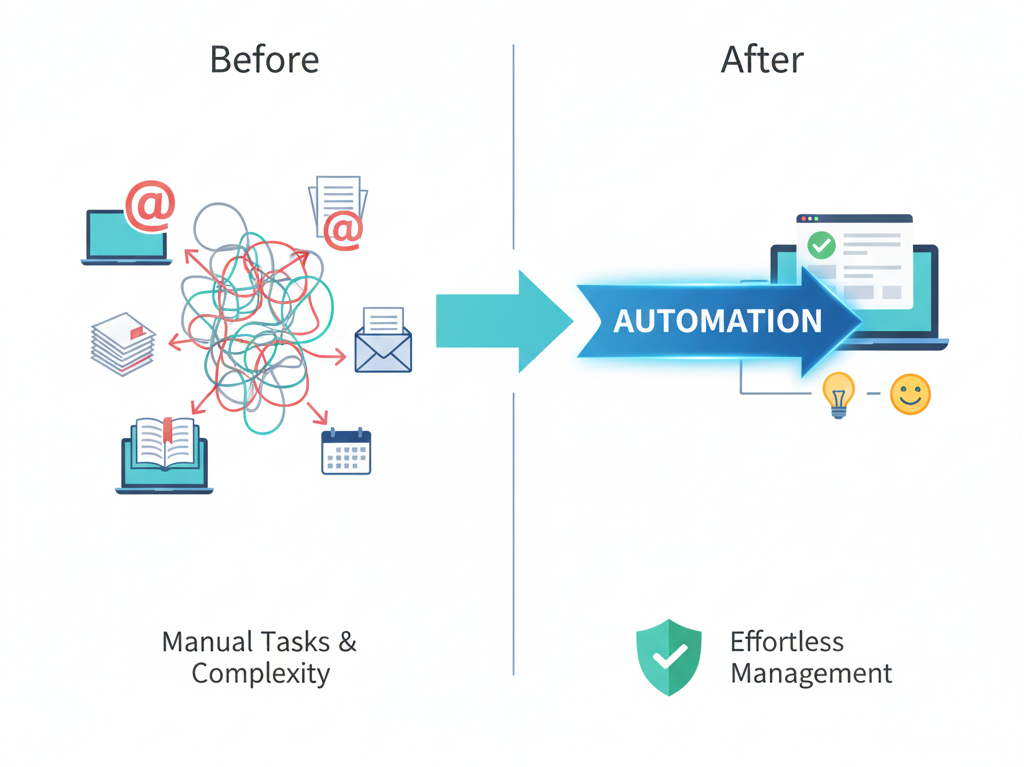
Here’s how AI is reshaping Moodle in classrooms, universities, and workplaces:
1. Simplified Workflows for Educators
AI in Moodle helps teachers save hours every week by automating tasks such as grading, attendance tracking, and progress monitoring. It can even suggest resources or assignments based on each learner’s performance, letting educators focus more on meaningful teaching rather than routine administration.
2. Personalised Learning Paths
Every learner studies at a different pace. Moodle’s AI uses real-time data to adapt lessons according to a student’s strengths and weak areas. This ensures that fast learners stay challenged and those who need extra help get the support they need, without feeling left behind.
3. Better Learning Outcomes
AI-powered analytics in Moodle track engagement, performance, and participation. This helps educators identify struggling students early and provide timely interventions. The result? Higher understanding, improved retention, and stronger academic outcomes.
4. Boosted Motivation and Engagement
AI adjusts the complexity of tasks and quizzes based on learner performance. This keeps learning enjoyable and rewarding, neither too easy nor too hard, encouraging students to stay motivated throughout the course.
In short, AI in Moodle brings efficiency to educators and personalised progress to students, creating a balanced, interactive learning experience for all.
Addressing the Challenges of AI in Education
While AI offers great promise, its successful use in Moodle also depends on addressing some critical challenges.
1. Protecting Data Privacy
As AI collects and analyses large volumes of learner data, ensuring privacy becomes essential. Indian institutions must adopt strict data security measures, like encryption and role-based access, to safeguard sensitive information and maintain trust among students and educators.
2. Avoiding Bias in AI Systems
AI can unintentionally reflect biases if trained on limited data. To promote fairness, developers must regularly audit AI models and use diverse datasets that represent different student groups and learning styles. This ensures equal opportunities for all learners.
3. Ensuring Transparency in AI Decisions
Students and teachers should understand how AI arrives at certain recommendations or scores. Maintaining transparency builds confidence in AI tools. Institutions can achieve this by sharing clear explanations and involving educators during AI testing and implementation.
4. Overcoming Technical Integration Barriers
Integrating AI tools into Moodle can sometimes be complex, especially for institutions with limited technical expertise. The solution lies in scalable plugins, proper training, and collaboration with experienced Moodle partners who can ensure smooth and secure implementation.
If all these challenges are addressed with care, AI in Moodle becomes not just a tool, but a trusted ally in creating smarter, fairer, and more inclusive learning systems.
The Future of AI-Powered Adaptive Learning in Moodle
The future of AI-powered adaptive learning in Moodle looks incredibly bright for India’s education and corporate training sectors.
Advanced AI algorithms now enable Moodle to understand each learner’s progress and tailor content instantly. For instance, if a student struggles with a topic, the system can automatically provide simpler explanations, extra exercises, or instructor support.
Smarter Learning Experiences
Emerging technologies like machine learning, natural language processing (NLP), and AI chatbots are enhancing Moodle’s ability to respond to student queries in real time. Virtual teaching assistants are already being tested in Indian universities, helping learners navigate their courses anytime, anywhere.
Real-Time Collaboration and Feedback
AI will also make group learning more interactive. It can form balanced study groups based on learners’ skills and recommend discussion topics or collaborative challenges, making teamwork more dynamic and relevant.
In the next few years, expect Moodle to become a truly intelligent ecosystem, where every learner follows a unique path, guided by AI and powered by real-time insights.
Opportunities Ahead: How Can You Make the Most of Moodle?
With these advancements, Moodle offers endless opportunities for institutions and organizations looking to modernise their learning systems.
Universities & Colleges
Create engaging online courses with AI-backed recommendations and performance tracking.
Corporate Trainers
Design adaptive learning modules that help employees upskill faster and more effectively.
EdTech Startups
Build niche, AI-enhanced learning solutions tailored to specific subjects or audiences.
NGOs & Nonprofits
Deliver affordable digital training for volunteers and learners in remote areas.
The Road Ahead: Challenges and the Way Forward
Despite rapid adoption, a few areas need attention to unlock Moodle’s full potential in India:
Technical Infrastructure
Many institutions lack the IT expertise to manage or customize Moodle effectively.
Complex Customization
Moodle’s vast features require experienced developers for smooth setup.
Connectivity Gaps
Internet access in rural India still limits the reach of e-learning platforms.
Stronger digital infrastructure, more Moodle-certified professionals, and continued government support will help overcome these hurdles.
Conclusion: The Future of Learning is Moodle-Powered
India’s education landscape is undergoing a massive shift, and AI-driven adaptive learning with Moodle is leading the way. By addressing challenges around data privacy, fairness, and accessibility, institutions can truly harness the potential of Moodle to deliver smart, inclusive, and engaging learning experiences.
For educators, it means less manual work and more time for impactful teaching. For learners, it promises personalized, interactive courses that adapt to their pace and style. And for organizations, it opens new possibilities for upskilling and professional growth at scale.
If you’re ready to embrace this transformation, IDS Logic can help.
Our expert Moodle Development Services team builds customised, AI-ready LMS solutions that empower institutions and businesses to deliver seamless, modern learning experiences.
Let’s create a smarter, more connected future of learning, powered by Moodle and customized by IDS Logic.
Frequently Asked Questions
Q1. How does AI in Moodle support teachers and administrators beyond grading?
AI in Moodle goes far beyond automated grading. It helps educators monitor class performance in real time, identify students who might need extra help, and even suggest learning resources to fill knowledge gaps. For administrators, AI can forecast enrollment trends, automate course scheduling, and analyse participation data to improve course design. In short, it allows teachers and admins to spend less time on manual work and more time on meaningful teaching and decision-making.
Q2. Can AI in Moodle improve student retention rates in Indian institutions?
Yes, AI can play a big role in improving retention. By tracking learning patterns and engagement levels, Moodle’s AI tools can flag students who are at risk of dropping out or falling behind. Educators can then step in early with personalised support or mentoring. For Indian colleges and universities where dropout rates are a concern, this early-warning capability can make a real difference in keeping students motivated and on track.
Q3. What role does AI play in promoting multilingual learning through Moodle?
India’s diverse linguistic landscape makes multilingual learning essential. AI-powered Moodle platforms now offer auto-translation, speech-to-text tools, and real-time transcription to bridge language barriers. Students can access courses in their preferred language, while teachers can use translation features to reach wider audiences. This not only boosts accessibility but also aligns with India’s National Education Policy (NEP) 2020 focus on inclusive, language-friendly education.
Q4. Is AI integration in Moodle suitable for small institutions and NGOs in India?
Absolutely. While AI may sound complex, Moodle’s open-source nature allows even small organizations to adopt AI-enabled plugins without major investment. NGOs and smaller colleges can use free or low-cost AI tools for personalised learning, automated reporting, or chatbot-based student support. Since Moodle runs on scalable cloud infrastructure, it’s easy to start small and expand as needs grow, making it ideal for organizations with limited budgets.
Q5. How will AI shape the future of skill-based and corporate learning in Moodle?
AI is set to transform how professionals in India learn and reskill. Moodle’s adaptive learning tools can create personalized micro-courses that match an employee’s job role, performance data, and career goals. For example, sales professionals might receive AI-recommended negotiation modules, while engineers get advanced technical simulations. As companies prioritise upskilling, AI-powered Moodle platforms will become vital for delivering continuous, outcome-driven learning at scale.