How to Use Sitefinity CMS Effectively for Your Business?
The right CMS is essential in today’s fast-paced digital world. Before you select a platform, you must decide between on-premises or cloud-based hosting. This decision directly affects scalability, cost, and long-term growth.
Customer expectations continue to rise across India and global markets. At the same time, digital experiences have become more complex. Because of this shift, many organisations now prefer cloud-based platforms that reduce infrastructure stress and improve speed. Compared to traditional on-premises systems, a cloud CMS allows teams to launch updates faster and respond quickly to business needs.
However, technology alone does not solve the problem. Many businesses still struggle with outdated CMS platforms that lack flexibility and modern features. These systems often slow down content teams, create dependency on developers, and make website updates difficult. As competition grows, this gap can directly impact user engagement and conversions.
This is where Sitefinity CMS for business stands out. It offers a powerful yet easy-to-manage environment for building and managing high-performance websites and digital experiences. Today, enterprises across industries use Sitefinity to simplify content workflows, improve collaboration, and scale their digital presence.
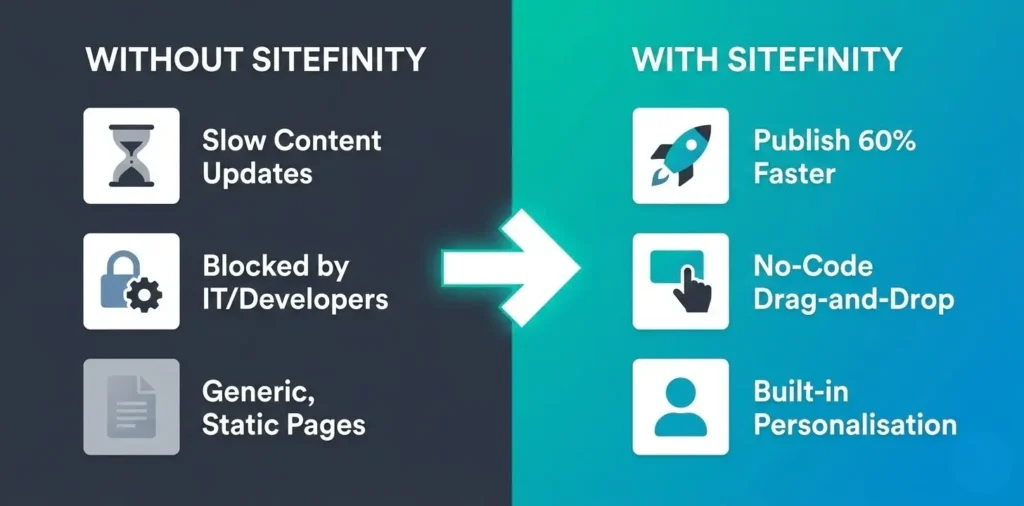
In fact, recent industry trends show that organisations using modern CMS platforms can reduce content publishing time by up to 60% and improve marketing efficiency significantly. Sitefinity supports this shift with built-in personalisation, multi-site management, and strong integration capabilities.
If you are exploring how to use Sitefinity CMS effectively, this guide will help you understand the essentials. From core features to practical Sitefinity CMS best practices, we will explain why businesses continue to invest in this platform.
What Is Sitefinity CMS?
Sitefinity CMS is a modern, cloud-ready content management system that helps businesses create and manage digital experiences with ease. It does much more than basic website publishing. Instead, it gives marketing and IT teams one unified platform to control content, campaigns, and customer journeys.
For organisations, this flexibility matters. As digital expectations grow, businesses need a CMS that supports speed, scale, and personalisation. This is why Sitefinity CMS for business continues to gain strong adoption among enterprises.
At its core, Sitefinity allows teams to build, manage, and deliver content across multiple digital touchpoints from a single dashboard. The platform supports both traditional and headless approaches, which makes it suitable for modern digital ecosystems.
Sitefinity CMS for Business – How to Use It Effectively for Better Results
Using Sitefinity the right way requires more than a basic setup. You need a clear strategy, user-focused design, and ongoing optimization. When businesses follow proven Sitefinity CMS best practices, they often see stronger engagement, faster publishing, and higher conversions.
Below are practical steps to help you get real value from Sitefinity CMS for businesses:

Start with Audience-First Sitefinity CMS Optimization
Every successful Sitefinity project begins with audience clarity. Before designing pages, understand who will visit your website and what they expect.
Ask simple but critical questions:
- Who are your primary users?
- What problems are they trying to solve?
- What actions do you want them to take?
Today’s digital users expect fast, personalized, and mobile-friendly experiences. In fact, studies show users form an opinion about a website in under one second. Therefore, your Sitefinity design must match user intent from the start. When you align design with audience needs, conversions naturally improve.
Define Clear Business Goals Before Development
Many websites look attractive but fail to perform. This usually happens because goals were never defined clearly.
Before you begin Sitefinity CMS development services, set measurable objectives such as:
- Lead generation
- Online sales growth
- Customer retention
- Brand awareness
- Support cost reduction
Clear goals help you design smarter user journeys. They also guide your KPIs and reporting strategy. For example, if your goal is lead generation, your Sitefinity setup should prioritize strong CTAs, landing pages, and forms.
Use Data to Build Strong User Personas
Personalization works best when backed by real data. Sitefinity provides strong segmentation capabilities, but you must feed it the right insights.
Analyze your existing customer base using:
- Demographics
- Behavior patterns
- Device usage
- Location data
- Content preferences
Create 2-4 detailed buyer personas. This step helps teams deliver more relevant content experiences.
Businesses that use persona-driven marketing often see up to 20% higher conversion rates. This makes persona planning a key part of Sitefinity CMS optimization.
Conduct a Strategic Content Audit
Before launching or redesigning your Sitefinity website, review your current content carefully. Many organizations skip this step and carry forward outdated material.
A proper audit should:
- List all existing pages
- Review traffic and engagement
- Identify outdated content
- Spot content gaps
- Highlight SEO opportunities
This process ensures your new Sitefinity environment stays clean and effective. It also improves search visibility over time. For enterprises managing large content libraries, this step is especially important.
Design Interactive Experiences That Drive Action
Modern users expect more than static pages. Interactive elements keep visitors engaged and encourage deeper exploration.
Within Sitefinity, you can easily implement:
- Carousels
- Tabs and accordions
- Dynamic content blocks
- Personalized widgets
However, use these elements wisely. Overuse can slow performance. The goal is to improve usability without hurting page speed. When implemented correctly, interactive design can increase user engagement by up to 30%.
Follow Smart Typography and Visual Consistency
Good design is not just about colors and images. Readability plays a major role in user experience.
When working on Sitefinity CMS best practices, focus on:
- Clean, web-friendly fonts
- Proper spacing and hierarchy
- Mobile readability
- Consistent styling across pages
Sans serif fonts usually perform well on digital screens. More importantly, maintain consistency across the entire website. This builds trust and improves usability.
Use Color Psychology to Influence User Behavior
Color choices directly affect how users feel and act on your website. Therefore, your Sitefinity design should use color strategically.
Best practices include:
- Maintain strong contrast for readability
- Use brand colors consistently
- Highlight CTAs with action colors
- Avoid overly bright combinations
When color strategy aligns with brand identity, users navigate more confidently and conversions often improve.
Design Your Sitefinity Pages for Conversions
Traffic alone does not drive business growth. Your Sitefinity website must guide users toward meaningful actions.
Focus on:
- Clear call-to-action buttons
- Optimized landing pages
- Short and simple forms
- Trust signals and proof points
- Mobile-first layouts
Mobile usage continues to dominate across industries. Therefore, conversion-focused design must prioritize mobile performance.
Strong conversion design remains one of the most important Sitefinity Cloud CMS benefits when implemented properly.
Build Accessibility into Your Sitefinity Strategy
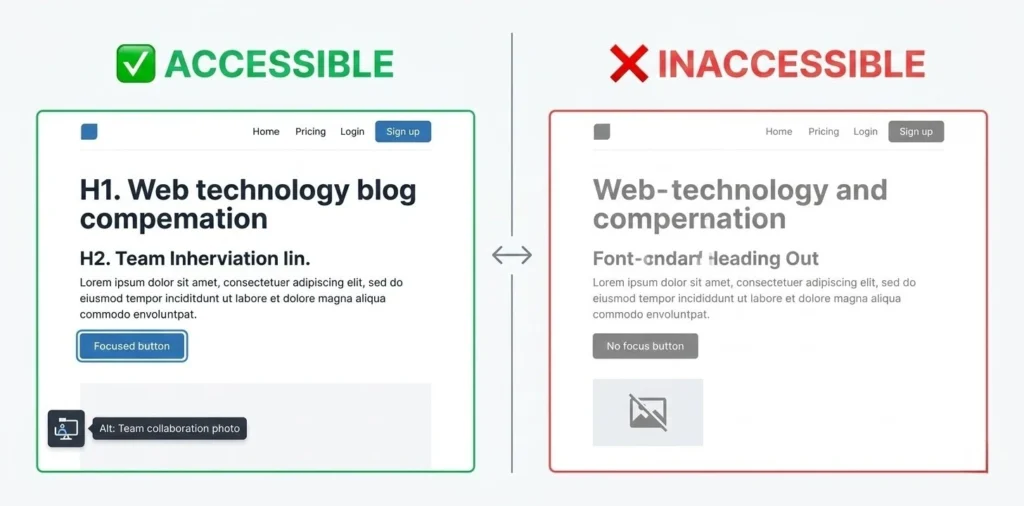
Accessibility is no longer optional. It is both a compliance requirement and a business advantage.
Sitefinity supports accessibility standards such as WCAG. Use this capability to:
- Enable keyboard navigation
- Maintain proper color contrast
- Add alt text to images
- Structure content with clear headings
Accessible websites reach a wider audience and improve SEO performance. They also build stronger brand trust.
Sitefinity CMS for Business – Key Benefits That Drive Real Results
For many growing organizations, managing digital content has become complex and time-consuming. Teams often struggle with slow updates, scattered tools, and limited personalization. This is where Sitefinity CMS for business delivers clear value.
When implemented correctly, Sitefinity helps businesses simplify website management, improve user experience, and generate stronger returns. Below are the most important benefits businesses are seeing in 2026.
Simplified Website Management with Sitefinity CMS
One of the biggest advantages of Sitefinity is its clean and intuitive interface. Both marketers and technical teams can manage content without heavy development support.
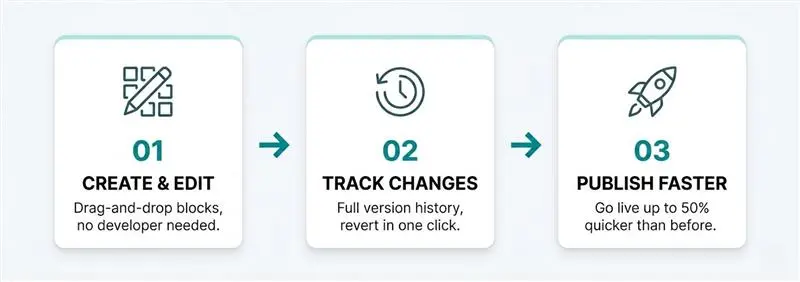
Editors can quickly create pages using drag-and-drop tools and a flexible rich text editor. In addition, built-in version control tracks every change. This makes rollbacks simple and reduces publishing risks.
Because routine updates become faster, businesses keep their websites fresh and relevant. Many organizations report up to 50% faster content publishing after proper Sitefinity CMS optimization.
Stronger User Engagement Through Smart Personalization
Customer expectations have changed. Users now expect websites to understand their needs and show relevant content instantly.
Sitefinity enables advanced audience segmentation based on behavior, location, and demographics. As a result, businesses can deliver targeted experiences that feel more personal. For example, new visitors can see awareness content, while returning users receive tailored offers. Sitefinity also supports A/B testing, which helps teams refine performance continuously.
Companies that implement personalization effectively often see conversion improvements of 15-25%. This makes it a core part of modern Sitefinity CMS best practices.
Higher Team Productivity with Built-In Automation
Many marketing teams still spend too much time on manual tasks. Sitefinity reduces this burden through automation and workflow management.
Teams can schedule content, manage campaigns, and automate routine publishing from one platform. This unified approach removes bottlenecks between marketing and IT.
As a result, organizations free up resources for strategic work such as campaign planning and content innovation. This productivity gain is one reason demand for Sitefinity CMS development services continues to grow.
Better Search Visibility with Built-In SEO Tools
Organic traffic remains a major growth driver for businesses in India and globally. Sitefinity includes strong SEO capabilities that support modern search requirements.
The platform helps teams manage metadata, create clean URLs, generate sitemaps, and maintain mobile responsiveness. These features make it easier to follow Google’s evolving guidelines. When combined with quality content, businesses often see steady improvements in search rankings and brand visibility. This directly supports long-term digital growth.
Flexible Scalability for Growing Enterprises
Digital platforms must grow as your business expands. Sitefinity is designed with a modular and cloud-ready architecture that supports long-term scalability.
Whether you manage a single site or a multi-brand ecosystem, the platform adapts without major restructuring. Its strong API framework also enables smooth integration with CRM, ERP, and marketing systems.
Many enterprises choose Sitefinity specifically for its Sitefinity Cloud CMS benefits, which allow them to scale traffic, content, and features without performance issues. To manage all digital properties from one platform, businesses can use Sitefinity multisite management solutions.
Advanced Marketing Capabilities That Improve ROI
Sitefinity goes beyond basic content management. It provides a built-in marketing toolkit that helps teams plan, execute, and measure campaigns more effectively.
Businesses can manage email campaigns, track visitor behavior, and analyze performance from one dashboard. These insights help marketing teams make faster, data-driven decisions. Organizations that use integrated CMS and marketing platforms often report noticeably higher ROI compared to disconnected tool stacks.
Enterprise-Level Security You Can Trust
With cyber threats increasing each year, security is no longer optional. Sitefinity includes enterprise-grade protections designed to safeguard business and customer data.
Key capabilities include encrypted data handling, role-based permissions, and multi-factor authentication. Regular platform updates also help address emerging vulnerabilities. This strong security posture builds customer trust and supports compliance requirements for regulated industries.
Mobile-First Experience for Today’s Users
Mobile usage continues to dominate web traffic across India. Sitefinity ensures your digital experience performs smoothly on every device.
Responsive design automatically adjusts layouts for different screen sizes. Teams can also preview mobile views before publishing, which reduces usability issues. Because Google prioritizes mobile-friendly websites, this capability directly supports both SEO and user engagement goals.
Reliable Support and a Mature Ecosystem
Adopting a new CMS becomes easier when strong support is available. Sitefinity offers detailed documentation, structured training resources, and professional assistance.
In addition, the active developer and partner community helps businesses solve challenges faster and adopt proven Sitefinity CMS best practices. This ecosystem reduces implementation risk and supports long-term platform success.

When Should You Consider Sitefinity Cloud CMS?
Not every organization moves to the cloud for the same reason. However, several clear signals indicate it may be the right time to adopt Sitefinity Cloud.
Reduce IT Workload and Infrastructure Burden
Managing servers, updates, and security patches can consume valuable IT resources. With traditional on-premises CMS platforms, internal teams must handle infrastructure health, performance monitoring, and system maintenance.
Sitefinity Cloud removes much of this burden. The platform provider manages hosting, uptime, and core security. As a result, your IT team can focus on innovation instead of routine maintenance.
For many growing businesses, this shift alone delivers significant cost and time savings. It also aligns with proven Sitefinity CMS best practices for operational efficiency.
Accelerate Innovation and Digital Transformation
Modern businesses must innovate quickly to stay competitive. However, legacy infrastructure often slows down new initiatives.
With Sitefinity Cloud, infrastructure management moves to the platform level. This gives your teams more freedom to focus on customer experience, personalization, and new digital services.
Because the platform supports advanced tools and integrations, organizations can deliver more relevant experiences with less effort. This is one of the most important Sitefinity Cloud CMS benefits for enterprises pursuing digital transformation.
Improve Team Productivity and Collaboration
Disconnected tools and manual workflows often reduce team efficiency. Sitefinity Cloud provides a unified environment where developers, marketers, and content teams can collaborate smoothly.
Content teams can publish updates without waiting for heavy development support. At the same time, developers work within a modern, structured environment that improves code quality and deployment speed.
Organizations that implement proper Sitefinity CMS optimization often report noticeable productivity gains across both marketing and technical teams.
Deploy Faster and Go to Market Quickly
Speed to market is now a competitive advantage. Traditional CMS deployments can take weeks or even months due to infrastructure setup and configuration.
Sitefinity Cloud uses an optimized architecture that supports faster deployments and smoother releases. Businesses can launch new environments quickly or migrate existing websites with minimal disruption. Organizations moving from legacy CMS platforms can benefit from structured Sitefinity migration services to ensure smooth transitions without data loss.
Once live, teams can publish content and roll out updates much faster. This agility helps businesses respond quickly to market changes and customer needs.
Scale Your Digital Platform with Confidence
Growth often exposes the limitations of on-premises systems. Traffic spikes, content expansion, and multi-site management can strain traditional infrastructure.
Sitefinity Cloud offers built-in scalability powered by Microsoft Azure. This allows businesses to handle increasing traffic, larger content volumes, and expanding digital ecosystems without performance issues.
For enterprises planning long-term growth, scalability remains one of the strongest reasons to adopt Sitefinity CMS development services in the cloud.
Flexible Customization with Modern Architecture
Another major strength of Sitefinity is its high level of customization. Businesses can tailor layouts, widgets, and content structures to match specific requirements.
The platform supports ASP.NET MVC, which gives developers strong control over models, views, and controllers. Teams can also mix modern MVC widgets with existing components when needed.
This flexibility makes Sitefinity suitable for everything from corporate websites to complex digital experience platforms.
Often, businesses extend functionality through custom widgets and modules, and Sitefinity module development services and support helps create customized digital solutions.
Built-In E-commerce and Integration Readiness
Many businesses want their CMS to support digital commerce and connected systems. Sitefinity provides built-in capabilities that help organizations manage product content, payments, and customer journeys more efficiently.
Its API-first approach also allows smooth integration with third-party tools such as CRM, ERP, and marketing platforms. This connected ecosystem supports better customer experiences and operational efficiency.
Businesses planning to build scalable online stores can also explore professional Sitefinity eCommerce development services to create secure and high-performing digital commerce platforms.
Enterprise-Grade Security and Compliance
Security concerns continue to rise across industries, especially in finance, healthcare, and e-commerce. Sitefinity addresses this with strong, enterprise-level protections.
Built on the trusted ASP.NET framework, the platform supports role-based access, secure authentication, and regular security updates. It also aligns with accessibility standards such as WCAG, which helps organizations meet compliance requirements.
This combination of security and compliance strengthens trust and reduces risk.
Advanced Sitefinity CMS Best Practices to Maximize Results
To get the most from Sitefinity CMS for business, you must go beyond basic setup. The following practical tactics help improve usability, engagement, and long-term performance.
Diversify Your Content for Better Engagement
Modern users expect more than simple web pages. Therefore, businesses should publish multiple content formats to keep visitors interested.
With Sitefinity, you can easily manage:
- Blogs
- Articles
- Case studies
- White papers
- News updates
- Infographics
The platform allows you to create structured libraries and sub-libraries. In addition, tagging and categorization make content easier to organize and discover.
Content diversity improves SEO visibility and keeps users engaged longer. In fact, websites with mixed content formats often see up to 40% higher engagement rates.
This approach remains one of the most effective Sitefinity CMS optimization strategies.
Use Inline Image Editing for Faster Content Updates
Visual content plays a major role in user attention. However, poorly optimized images can slow down your website and hurt rankings.
Sitefinity includes a built-in inline image editor that allows teams to:
- Resize images
- Rotate visuals
- Adjust placement
- Optimize media quickly
Because of this feature, marketers can update visuals without relying heavily on developers. As a result, publishing workflows become faster and more efficient.
For best performance, always compress images and maintain consistent dimensions across pages.
Improve Navigation with a Custom Search Experience
Even high-quality content fails if users cannot find it quickly. This is a common pain point on large enterprise websites.
One of the smart Sitefinity CMS best practices is implementing a custom search widget. Sitefinity makes this process straightforward for development teams.
A well-configured search feature helps visitors:
- Find relevant content faster
- Navigate large websites easily
- Discover related resources
- Stay longer on the site
Better search typically increases session duration and reduces bounce rates. For content-heavy businesses, this feature delivers strong ROI.
Keep Your Sitefinity Platform Updated
Regular updates are essential for security, performance, and stability. Yet many organizations delay upgrades and face avoidable risks.
Sitefinity releases frequent updates that include:
- Security patches
- Performance improvements
- Feature enhancements
- Bug fixes
By staying current, your website remains secure and competitive. On the other hand, outdated CMS versions often suffer from vulnerabilities and slower performance.
As part of your Sitefinity CMS development services strategy, schedule quarterly reviews to check for updates and compatibility. Many enterprises rely on ongoing Sitefinity support services to maintain performance, security updates, and long-term platform stability.
Treat Sitefinity as a Growth Platform
Many businesses use only a fraction of Sitefinity’s capabilities. However, companies that follow structured Sitefinity Cloud CMS benefits strategies often achieve:
- Faster time to market
- Better content efficiency
- Improved user engagement
- Higher marketing ROI
The key is continuous optimization, not one-time implementation.
Sitefinity CMS for Business – Why Choose Sitefinity Cloud CMS
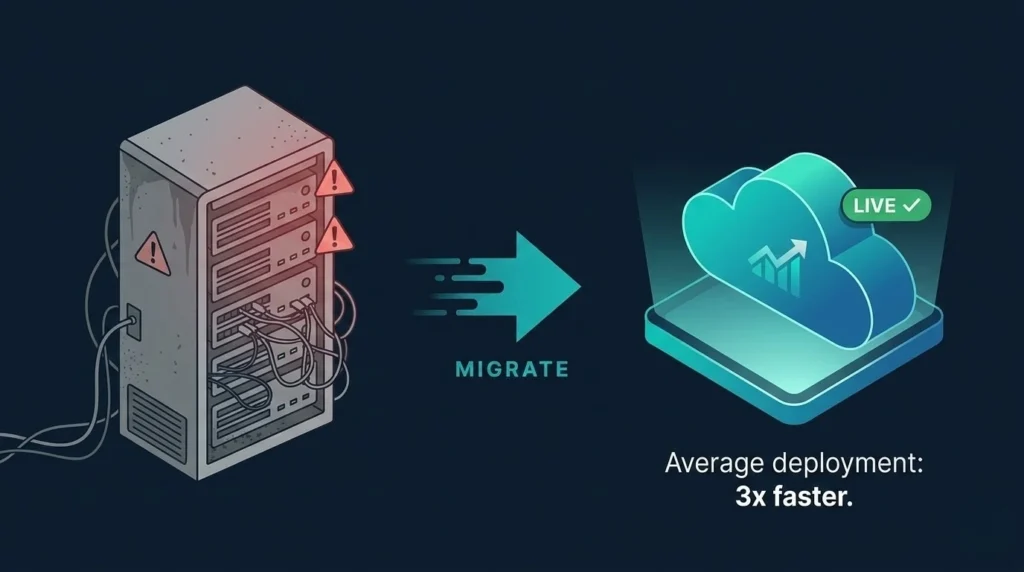
As digital demands grow, many organizations face a critical decision. Should they stay with on-premises systems or move to the cloud? For most modern enterprises, the shift toward cloud platforms is no longer optional. It is strategic.
Customer expectations continue to rise in 2026. Users want faster websites, personalized experiences, and always-available services. Because of this, businesses are rapidly adopting cloud-first platforms. In fact, industry trends show that over 70% of enterprises now prefer cloud-based CMS solutions.
This is where Sitefinity CMS for business delivers a strong advantage. Sitefinity Cloud combines powerful content management with simplified infrastructure, helping teams move faster while reducing operational overhead.
Final Thoughts on Sitefinity CMS for Business Success
Sitefinity continues to prove itself as a powerful and future-ready platform for modern enterprises. For organizations that want faster content operations, stronger personalization, and scalable digital experiences, Sitefinity CMS for business offers a clear advantage.
Its user-friendly interface helps marketing teams move quickly. At the same time, its advanced capabilities support complex enterprise needs. From automation and personalization to security and cloud scalability, Sitefinity brings everything into one unified ecosystem.
More importantly, businesses that follow proven Sitefinity CMS best practices often see measurable improvements in engagement, operational efficiency, and ROI. As digital competition intensifies in 2026, choosing a flexible and cloud-ready CMS is no longer optional. It is a strategic decision.
If your organization wants to modernize its digital experience, improve content workflows, and prepare for long-term growth, Sitefinity is a strong platform to consider.

Speak with a Sitefinity Expert at IDS Logic
Choosing and implementing the right CMS requires experience and careful planning. At IDS Logic, our specialists help businesses evaluate, implement, and optimize Sitefinity for maximum impact.
Whether you are planning a new implementation, migration, or Sitefinity CMS optimization, you can also hire a dedicated Sitefinity developer from IDS Logic to support your project at every stage.
Ready to enhance your digital experience?
Let’s work together to build a high-performing, secure, and scalable digital platform tailored to your business goals.
Frequently Asked Questions
Q. Is Sitefinity CMS suitable for small and mid-sized businesses?
In addition to its popularity with enterprises, Sitefinity also works well for growing businesses. Its modular architecture makes it an ideal choice for businesses that need to start small and scale as their business grows. This flexibility makes Sitefinity CMS for businesses an excellent long-term investment.
Q. How long does a typical Sitefinity implementation take?
Project timelines vary based on complexity, integrations, and customization needs. A standard implementation may take a few weeks, while enterprise deployments can take several months. Working with experienced Sitefinity CMS development services providers helps speed up the process.
Q. Can Sitefinity integrate with existing business systems?
There is no doubt that Sitefinity offers strong API and integration capabilities. It is capable of connecting with CRM, ERP, marketing automation, and third-party applications. This makes it easier to build a connected digital ecosystem.
Q. What makes Sitefinity Cloud different from on-premises deployment?
Sitefinity Cloud reduces infrastructure management, improves scalability, and speeds up deployment. Organizations also benefit from automatic updates and managed hosting. These Sitefinity Cloud CMS benefits help teams focus more on innovation and less on maintenance.
Q. Does Sitefinity support multilingual and multi-site management?
The Sitefinity platform allows businesses to manage multiple websites and languages from a single instance. This feature is particularly useful for businesses that operate across regions and markets.
Q. How can businesses maximize ROI with Sitefinity CMS?
To achieve the best results, businesses should follow structured Sitefinity CMS optimization practices. These include using personalization, maintaining regular updates, improving site performance, and aligning the platform with clear business goals. Expert implementation also plays a key role in maximizing returns.